Top 10 Eyelash Extension Tray Options for Global Buyers?
The eyelash extension industry continues to grow significantly, valued at approximately $1.2 billion in 2021. This trend reflects the increasing demand for beauty enhancements among consumers worldwide. Central to this booming market is the Eyelash Extension Tray, a vital tool for lash technicians. These trays provide custom solutions, allowing for a variety of lengths, curls, and thicknesses, catering to diverse client preferences.
Professional reports suggest that 80% of lash artists see a direct boost in client satisfaction when using high-quality trays. Yet, not every tray on the market meets those standards. Many products lack consistency in curl retention and adhesive properties. As a result, choosing the right Eyelash Extension Tray can be daunting for global buyers. It's essential to consider product quality, supplier reputation, and pricing structures.
Even with advancements in technology, some trays still could benefit from improved design features. Inconsistencies can lead to wasted materials and time, affecting the overall efficiency of the lash application process. Thus, understanding the different options available is crucial, ensuring that beauty professionals have the best tools at their disposal.
Factors to Consider When Choosing Eyelash Extension Trays
When choosing eyelash extension trays, several key factors come into play. One critical aspect is the
material of the tray. Various materials can affect the adhesion and longevity of the extensions.
For reliable extensions, opt for trays made from high-quality
synthetic fibers. These can provide a stable, long-lasting hold.
Another essential factor is the curl type and length. Different curls can create various looks,
whether natural or dramatic. Length is equally important; select a range of lengths in one tray to offer
versatile options. A good assortment allows for customization, ensuring you meet client
expectations.
Tips: Always assess the tray's labeling. Clear labeling indicates the tray has been made
under strict quality control. Remember to review the tray regularly for potential damage. Damaged trays
may not hold the extensions properly. Lastly, consider your clients’ preferences. Each client's needs can
vary significantly, so adaptability is key in your choices.
Overview of Popular Eyelash Extension Tray Brands Worldwide
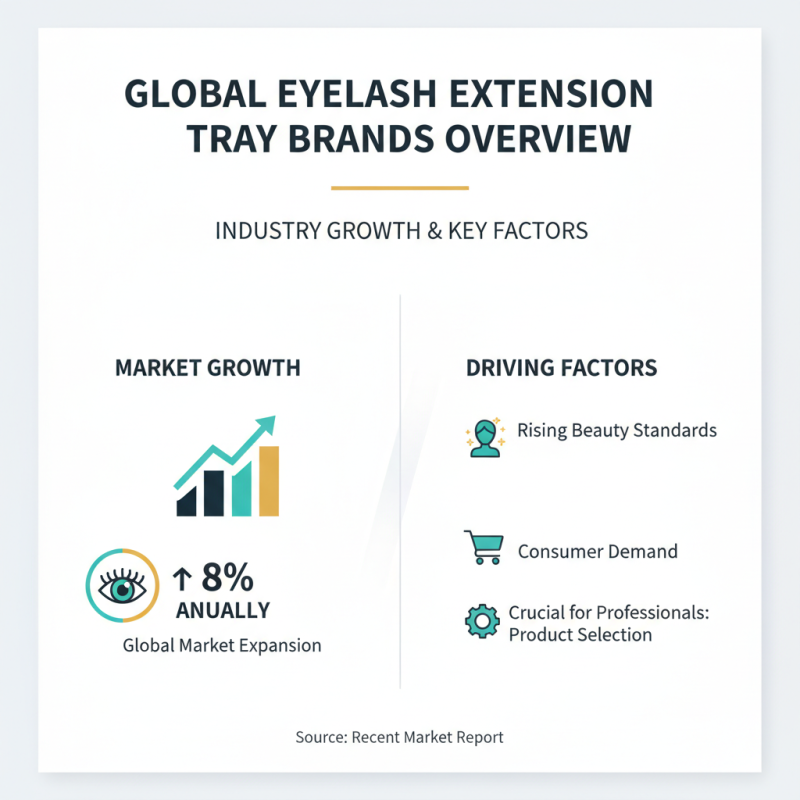
The eyelash extension industry has seen substantial growth globally, driven by rising beauty standards and consumer demand. According to a recent market report, the global eyelash extension market is expected to expand by nearly 8% annually. This burgeoning demand has led to diverse product offerings, making the selection of eyelash extension trays crucial for beauty professionals.
Many brands have carved a niche in this competitive market. Notably, flexibility and variety in curl types have become essential attributes for buyers. Length, thickness, and material significantly influence the final look. A common challenge is ensuring the extensions are hypoallergenic and suitable for all skin types. Neglecting these aspects can lead to adverse reactions, highlighting the importance of product research.
**Tips:** When choosing eyelash trays, consider varying curl styles to cater to different customer preferences. Test a sample tray before bulk ordering to assess quality. Stay updated on industry innovation. Constant exploration may lead to discovering the next popular trend, ensuring you remain competitive in this dynamic market. Regularly review customer feedback as it provides invaluable insights into product performance.
Comparison of Different Types of Eyelash Extension Materials
The choice of eyelash extension materials significantly impacts the overall appearance and client satisfaction. Lash extensions are commonly made from synthetic, silk, and mink materials. Each type presents unique benefits and challenges. For instance, synthetic lashes are known for their durability but can sometimes appear less natural. Meanwhile, silk lashes offer a softer look; however, they may not withstand heavy wear.
According to market reports, the eyelash extension industry has grown annually by over 25%. This growth indicates a rising demand for quality materials. A study noted that 60% of clients prefer natural-looking extensions, pushing suppliers to innovate. Quality matters; poor materials can lead to allergic reactions or lash damage.
Tip: When selecting materials, always consider both aesthetic appeal and client comfort. Ensure testing on a small area before full application. Remember, not every material fits every client’s needs. Regular feedback from clients can guide better choices.
Tip: Educate clients on maintenance. Proper upkeep can extend the lifespan of lash extensions. This knowledge fosters trust and encourages repeat business. Maintaining high standards is essential for any beauty practitioner.
Top 10 Eyelash Extension Tray Options for Global Buyers
User Reviews and Experiences with Eyelash Extension Trays
When choosing eyelash extension trays, user experiences provide valuable insights. Many users emphasize the importance of flexibility in the tray options available. They often mention that trays offering varying lengths and curls allowed them to cater to diverse client preferences. However, struggles with inconsistency in curl retention have been noted. Some find that certain trays don't hold their shape as early as expected.
A common concern among users is the ease of use. While many trays offer adhesive strips for easier application, not all users find them reliable. A few report that trays can become messy during application, leading to frustrations. On the positive side, some users highlight how well-organized trays help save time during busy salon hours. The convenience of having a variety of options at hand was praised frequently. Yet, there remains a dilemma about balancing quality and affordability, with some users reflecting on their experiences with both high-end and budget options.
Best Practices for Maintaining Eyelash Extension Trays
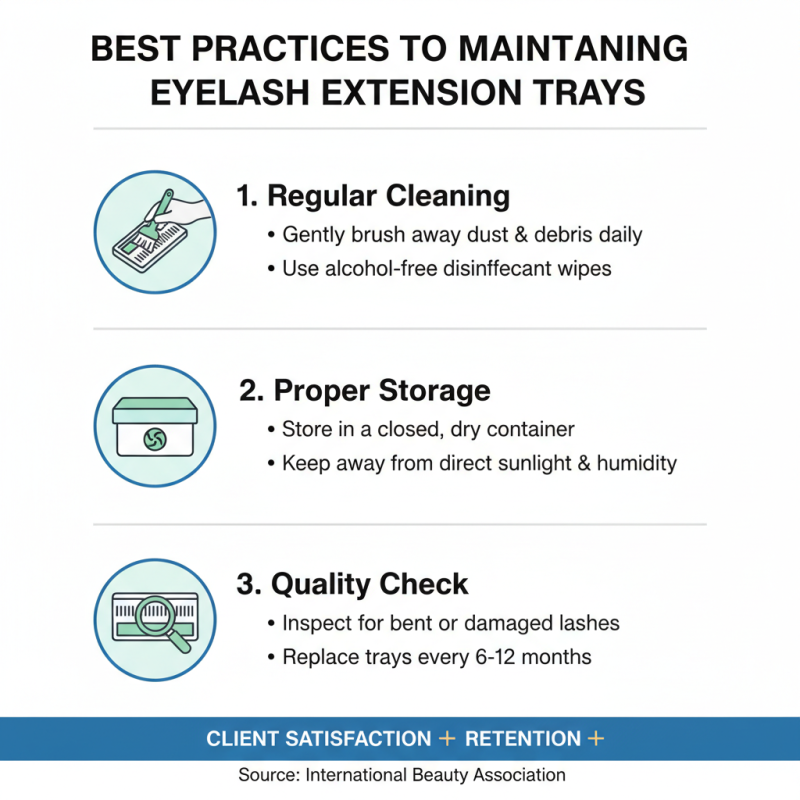
Eyelash extension trays are essential for professional beauty salons. Proper maintenance ensures longevity and quality of use. Research from the International Beauty Association reports that approximately 70% of clients expect flawless application. Thus, maintaining eyelash trays is crucial for client satisfaction and retention.
To keep trays in top condition, clean them regularly. Use a sterile brush to remove residue after each application. This practice prevents contamination and ensures a hygienic environment. Allow trays to dry completely. Moisture can lead to poor adhesive performance.
Storage is equally important. Store trays in a cool, dry place. High temperatures can alter the shape and quality of lashes. Avoid direct sunlight, which can degrade the adhesive properties of the extensions. Always check for any signs of damage before use. This proactive approach helps in delivering exceptional results.
One common mistake is neglecting to replace trays timely. Outdated trays may not provide the desired effects. Stay informed on industry trends to ensure you're using the latest products available. Keeping your stock updated may require investment, yet it pays off in client satisfaction. Remember, the quality of lashes impacts the overall service provided.