Best Eyelash Extension Tray Options for Global Buyers?
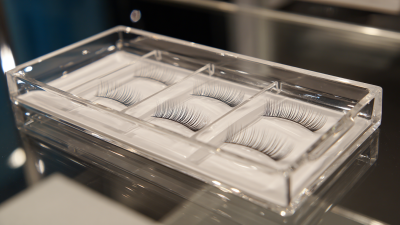
In the dynamic world of beauty, the Eyelash Extension Tray has become a crucial tool for lash artists globally. Choosing the right tray can significantly impact the quality of extensions and overall client satisfaction. However, with numerous options available, finding the best Eyelash Extension Tray can feel overwhelming.
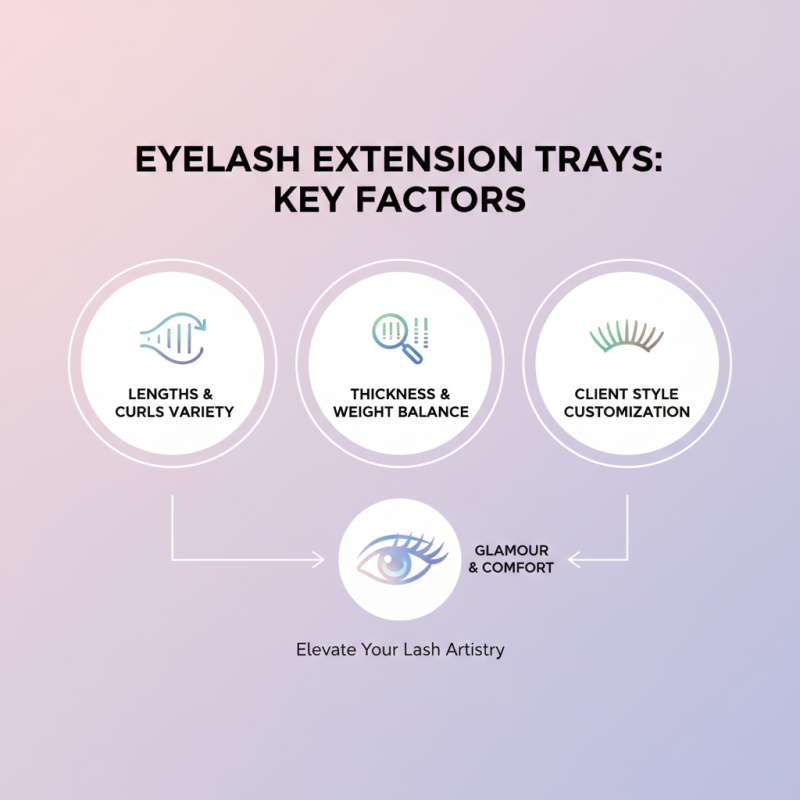
Different brands offer varying lengths, curls, and materials. Each choice can alter the final look of the eyelashes. Additionally, experts recommend considering factors like adhesion and easy accessibility. Quality should never be compromised, yet personal preferences differ widely.
As buyers navigate this marketplace, they often overlook essential details. Factors such as tray organization and flexibility play a significant role in the application process. A valuable Eyelash Extension Tray is not just about aesthetics but also about function. A thorough understanding of these features allows for more informed decisions.
Overview of Eyelash Extension Tray Types Available for Global Buyers
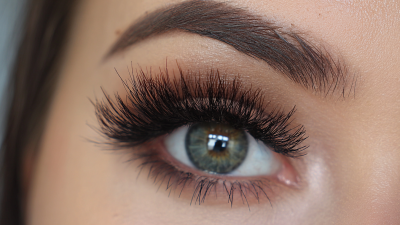
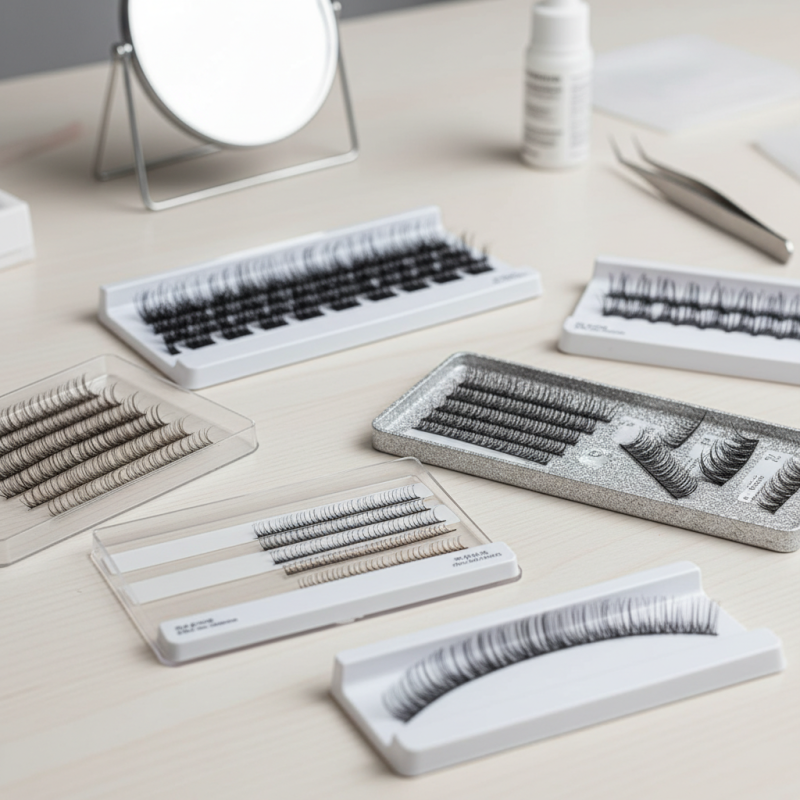
When exploring eyelash extension tray options, understanding the variety available is crucial for global buyers. Eyelash extension trays come in different materials, curl types, and thicknesses. Common materials include synthetic fibers, silk, and mink. Each type caters to specific preferences in length and volume, ultimately affecting the final look.
A recent industry report highlights that the global eyelash extension market is expected to grow significantly, with a compound annual growth rate (CAGR) of over 8% by 2027. This growth is driven by rising demand for beauty maintenance and a shift toward more natural looks. Buyers should consider the impact of thickness and curl diameter on the overall aesthetic. Utilizing trays with diverse curl types can shape the lashes uniquely, yet some may struggle with application consistency.
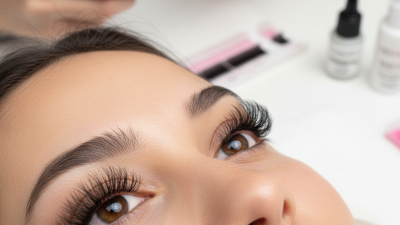
Despite the range, proper training and skill remain vital for successful eyelash application. Finding the right tray often involves trial and error. Inconsistent supply quality can lead to unsatisfactory results. Buyers must also navigate various suppliers globally, which might affect pricing and product integrity. Understanding these challenges can enhance decision-making in selecting the best eyelash extension trays.
Top Brands Offering Eyelash Extension Tray Options Worldwide
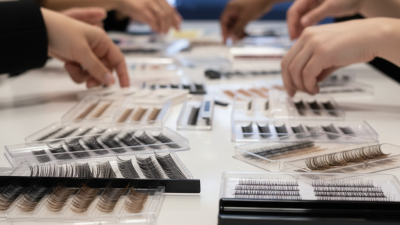
When exploring eyelash extension trays, buyers should consider a variety of options. Reputable brands offer diverse choices to meet preferences. Each tray will vary in length, thickness, and curl type. This variety allows lash artists to customize their services effectively. Understanding these differences is essential for selecting the right tray for specific needs.
Many brands emphasize quality materials in their trays. High-quality fibers enhance the final look. This ensures extensions appear natural and long-lasting. However, not all products are created equal. Some may not provide the desired flexibility or longevity. Users should do thorough research before purchasing. Reviews and user feedback can guide decisions.
It's also important to consider the packaging. Some trays are designed for easy access, while others may be less practical. A well-organized tray can save time during application. Artists often face challenges with disorganization. Reflecting on one's own experiences can highlight areas for improvement. Quality control should be a priority in every purchase.
Comparative Analysis of Price and Quality for Eyelash Extension Trays
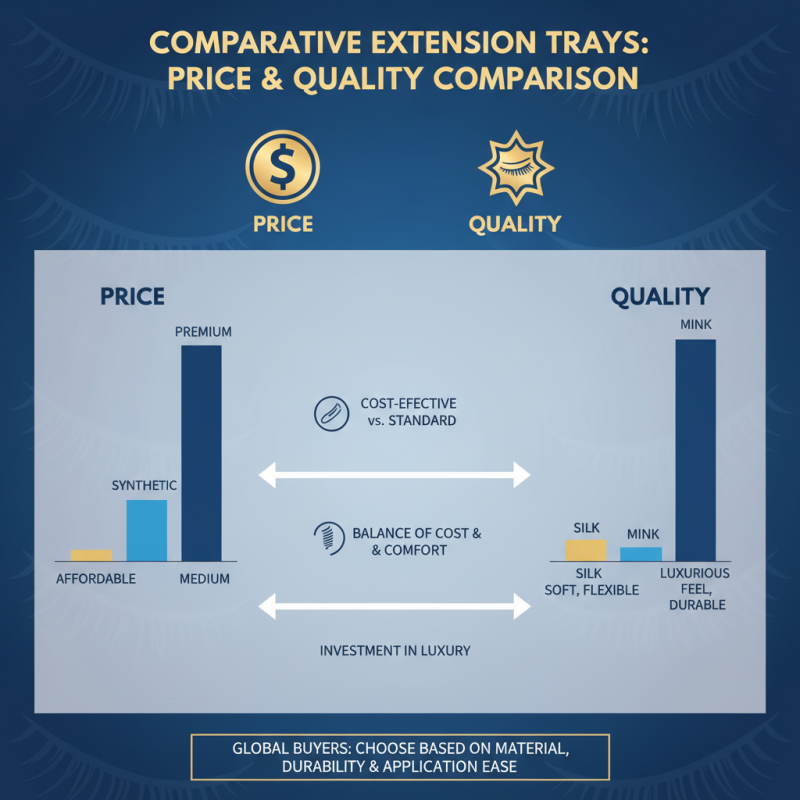
When selecting eyelash extension trays, both price and quality are key factors for global buyers. Many options exist, each varying in material, durability, and application ease. In today's market, synthetic trays often offer an affordable choice, while silk and mink options tend to be pricier yet provide a more luxurious feel. Buyers may find themselves torn between cost-effectiveness and premium quality.
Quality often influences the final results. Poor-quality trays can lead to clumping and unevenness. Clients notice these flaws, impacting their overall satisfaction. Various factors like curl retention and adhesion strength should also be evaluated. Some trays may excel in one aspect but lack in another. This creates a balancing act between price and desired outcomes.
It's vital for buyers to research reviews and testimonials. These insights can provide a glimpse into the reliability of products. While high-priced trays often promise excellence, not all deliver. Conversely, budget trays might surprise with their performance. Regularly reassessing your supplier choices can lead to better decisions in this evolving market.
Popular Materials Used in Eyelash Extension Trays and Their Benefits
When selecting eyelash extension trays, the material used plays a crucial role in their effectiveness. Common materials include synthetic fibers, silk, and mink. Each of these materials offers distinct benefits and drawbacks.
Synthetic fibers are lightweight and durable. They often come in a range of curls and lengths. However, some users might find them less comfortable than natural options.
Silk lashes provide a soft, glossy finish. They are more flexible but can be pricier. This can limit options for some buyers.
Mink lashes are popular for their natural look and feel. Yet, not everyone is comfortable selecting animal-derived products.
With various options available, it's essential to weigh personal preferences. Consider the desired look and budget. Some practitioners also report difficulty in handling certain materials. This can lead to a less satisfying application process. Understanding each material's characteristics is vital for making well-informed choices.
Every studio should prioritize the comfort and satisfaction of their clients.