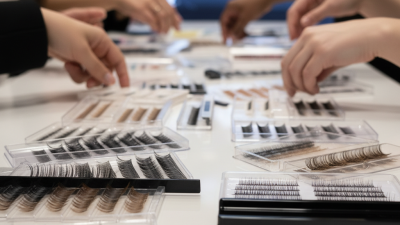
Sourcing Thick Eyelash Extensions from China takes more than comparing catalog photos and unit prices. Buyers need to assess curl, length, fiber consistency, band or tray finish, and packaging quality. A dense, even lash fan should hold its shape without shedding during ordinary handling. Small differences matter.
Grand View Research’s False Eyelashes Market Size, Share & Trends Analysis Report estimated the global false eyelashes market at USD 1.3 billion in 2023 and projected a 6.2% compound annual growth rate from 2024 to 2030. This estimate covers false eyelashes broadly, not Thick Eyelash Extensions alone. Treat it as market context, not a guarantee of demand or supplier performance.
For buyers, reliable sourcing begins with evidence. Request current product specifications, clear photographs, sample sets, and batch-level quality checks. Ask how suppliers control lash thickness, curl consistency, adhesive compatibility, and packaging hygiene. Verify any certifications directly with the issuing organization; a logo on a brochure is not enough. Where possible, compare samples from different production batches. It takes time. Yet one sample cannot reveal every production issue, and even established suppliers can vary. This guide introduces China-based supplier options and practical checks to help buyers make informed comparisons, while recognizing that product fit depends on the intended market, application method, and customer preferences.

Thick eyelash extensions create a fuller, darker lash line by placing multiple fine fibers across the natural lashes. Density matters. “Thick” can describe the finished look, not necessarily a heavy fiber. A dense set may use lightweight fans, while a few bold extensions can look dramatic without covering every lash. The best choice depends on natural lash strength, eye shape, and the wearer’s comfort.
These extensions are often chosen for photographs, evening events, or clients who prefer a defined effect without daily mascara. A technician can adjust length and curl across the lash line, keeping shorter fibers near the inner corner and building fullness gradually. Less can look fuller. If the natural lashes are sparse or delicate, an overly dense design may feel uncomfortable or shorten wear time. There is no single map that suits everyone.
For buyers comparing products, check whether fiber diameter and fan weight are clearly specified, and request samples when possible. Consistent curl and neatly formed bases make application more predictable. Ask how the product is packed and protected from dust or crushing during transit. Packaging alone cannot confirm quality, though. A small test order can reveal differences in softness, separation, and handling that a product description may miss.

Understanding Thick Eyelash Extensions: Diameter is measured in millimeters. Thicker extensions are commonly used for classic applications, while finer diameters are typically chosen for volume fans to help manage weight. The right diameter depends on the wearer’s natural lash strength and the desired look.
Chinese thick eyelash extension suppliers generally fall into three groups: manufacturers, trading companies, and specialist workshops. Manufacturers may offer broader control over fiber selection, curl profiles, lengths, and tray formats. Some can develop private-label packaging or adjust specifications for repeat orders. Trading companies often coordinate several product categories, which can simplify purchasing but may provide less direct insight into production. Smaller workshops may handle focused styles or shorter runs. Ask who makes the lashes.
Product capabilities vary, even when catalogs look similar. Compare fiber softness, band construction, curl retention, and thickness options using physical samples. A clear specification should state diameter, length range, curl type, and quantity per tray. Request batch photos and check whether sample details match the quotation. This is practical, not glamorous. Consistency matters more than a dramatic catalog image. Ask suppliers how they inspect finished trays and manage replacement batches. Confirm sample fees, minimum order quantities, packaging choices, and production timelines in writing. A catalog can look more certain than production really is, so allow time for revisions.
When sourcing thick eyelash extensions, assess the product and the process behind it. Request samples with written specifications for length, curl, thickness, and fiber type. Measure several lashes from different trays; inconsistent dimensions can change the finished look. Small details matter.
Inspect the trays under bright, neutral light. Look for aligned fibers, clean bases, secure attachment, and minimal shedding when handled gently. Ask how workers check incoming materials, monitor production, and record defects. A reliable supplier should explain its inspection steps and provide batch records or sample quality reports. Compare a repeat order with the original sample, since one good batch proves little about consistency.
I would not treat a polished factory video as proof; it captures a moment, not daily practice. Request recent production photos or a live walkthrough, and ask what happens when a batch fails inspection. Some suppliers may lack formal reports, so verify claims through samples and clear, written answers. This takes time. Note how promptly the supplier addresses specific questions, such as acceptable curl variation or replacement procedures. A vague answer is worth probing, even when the sample looks excellent.
| Assessment Area | What Buyers Should Verify | Useful Evidence or Check | Warning Signs | Suggested Rating (1–5) |
|---|---|---|---|---|
| Product specification | Confirm fiber material, lash length, curl, thickness, finish, tray layout, and whether the product is a strip lash or individual extension. | A dated specification sheet and a sealed sample approved against the buyer’s requirements. | Measurements or material descriptions change between quotation, sample, and production without written approval. | 1 = unclear; 5 = documented and consistently matched |
| Thickness and curl consistency | Check whether fibers meet the agreed thickness and curl profile across trays and production lots. Thick or volume styles may use fine fibers arranged in fans; the exact specification should be agreed with the supplier. | Inspect random pieces from multiple trays using suitable measuring equipment and compare them with the approved reference sample. | Noticeable differences in curl, fiber diameter, fan shape, or density within the same order. | 1 = frequent variation; 5 = consistently within agreed limits |
| Fiber appearance and workmanship | Assess uniformity, clean tips, symmetry, color consistency, and the absence of visible residue or damaged fibers. | Use a written visual-inspection checklist and inspect samples under consistent lighting and magnification. | Blunt or uneven tips, misshapen fans, loose fibers, or visible contamination. | 1 = major defects; 5 = clean, even workmanship |
| Material and chemical documentation | Request accurate material declarations and, where relevant to the product and destination market, safety data and chemical-compliance documents for adhesives, coatings, or other supplied substances. | Check document dates, product identifiers, and whether the documents cover the exact item being purchased. Confirm applicable requirements with the importer or compliance adviser. | Generic or inconsistent documents, unsupported “non-toxic” claims, or refusal to identify supplied materials. | 1 = little supporting information; 5 = relevant, traceable documentation |
| Quality management system | Ask how incoming materials, production steps, inspections, nonconforming goods, and corrective actions are controlled. | Review quality procedures and records. If ISO 9001 certification is claimed, verify the certificate’s scope, validity, and issuing certification body. | A certificate is presented as proof that every product is certified, or there are no inspection records or corrective-action process. | 1 = informal controls; 5 = documented and verifiable controls |
| Production and batch traceability | Confirm that production lots can be linked to manufacturing dates, material batches, inspection results, and shipment records. | Request a sample batch record or traceability demonstration using a non-confidential example. | The supplier cannot distinguish lots or investigate a quality issue after shipment. | 1 = no lot records; 5 = clear lot-level traceability |
| Inspection and defect handling | Agree on inspection stages, defect categories, acceptance criteria, and how replacements or corrective actions will be handled. | Put the inspection plan and agreed tolerances in the purchase specification. ISO 2859-1 may be used as a sampling reference when the parties agree on its use and inspection parameters. | Acceptance standards are undefined, or the supplier rejects documented defects without investigation. | 1 = no agreed process; 5 = clear, documented process |
| Packaging and shipment protection | Check that trays protect the curl and shape, labels match the order, and outer packaging is suitable for transport and storage. | Evaluate a packed sample and confirm labeling, carton quantity, and any buyer-required handling information before shipment. | Crushed trays, loose fibers, incorrect labels, or no agreed packaging specification. | 1 = inadequate protection; 5 = consistent and order-compliant |
| Sample-to-order consistency | Confirm that bulk production will use the approved sample, specification, packaging, and any agreed production controls. | Retain a signed or otherwise mutually identified “golden sample” and compare a pre-shipment sample with it. | The bulk order differs from the approved sample without prior written authorization. | 1 = frequent mismatch; 5 = controlled sample approval |
Buyer note: Ratings are a practical comparison tool, not a certification or guarantee. Set product tolerances and applicable regulatory requirements according to the product type, intended use, and destination market.
Pricing, customization, and minimum order quantities can vary widely between suppliers. Compare quotes using the same specifications: lash material, band type, curl, length range, and packaging. A low unit price may exclude custom trays or printed boxes. Ask for a sample and a written quote before comparing totals. Shipping and sample fees matter too.
Customization can include mixed lengths, curl options, tray layouts, and private-label packaging. Confirm which changes require extra tooling or higher order volumes. Request clear photos under neutral lighting, plus sample details such as fiber feel and band flexibility. Thick styles should look full without appearing uneven across the lash line. Small differences can be hard to judge on a screen.
Tips: Ask suppliers to quote several order quantities, such as 100, 300, and 500 trays. Check whether the minimum applies per style, curl, or total order. Clarify production time and what happens if a sample differs from bulk goods. Keep the specifications in writing. A few suppliers may answer quickly but provide vague details; that is a reason to ask again, not assume.
For buyers comparing thick eyelash extensions suppliers, start with a written product specification. Include curl, length, diameter, fiber type, tray layout, and packaging details. Request samples from the same production line used for bulk orders. Compare curl shape and band flexibility under consistent lighting, not just in edited product photos. Ask how batches are checked and whether defects are recorded. Small details matter.
A polished catalog cannot confirm steady quality. Before placing a large order, request a small trial batch and inspect several trays, including ones from different cartons. Check whether lengths are clearly labeled and whether the fibers stay aligned during handling. Ask for production timelines, minimum quantities, replacement policies, and recent export references. No checklist catches everything. Keep written records of approved samples, specifications, and changes to avoid misunderstandings later. If answers are vague or keep changing, pause and request clarification; that extra step may feel slow, but it can reveal gaps in communication.