Top Quality Fake Eyelashes for Global Buyers in 2026?
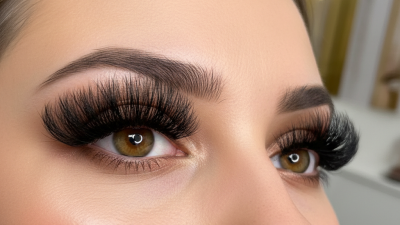
In the booming beauty industry, fake eyelashes have become a cornerstone for makeup enthusiasts worldwide. By 2026, the demand for top-quality fake eyelashes is expected to surge, driven by changing fashion trends and consumer preferences. Buyers are increasingly selective, seeking products that offer both style and comfort.
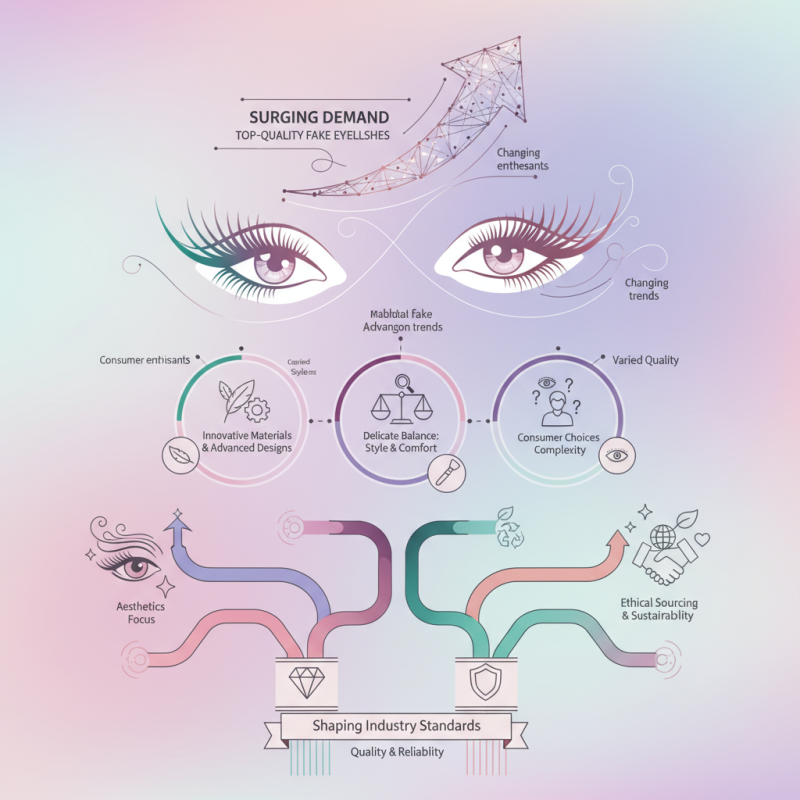
Experts highlight that fake eyelashes now blend innovative materials with advanced designs. Each pair must enhance natural beauty while ensuring ease of use. This delicate balance can be tricky for brands to achieve, resulting in varied quality in the market. Many consumers still grapple with choosing the right product, which adds a layer of complexity to their buying experience.
The landscape of fake eyelashes is evolving. While some companies prioritize aesthetics, others focus on ethical sourcing and sustainability. As buyers navigate this expanding market, they must question the practices behind their favorite brands. This reflective choice not only impacts personal style but also shapes industry standards for quality and reliability.
Emerging Trends in Fake Eyelash Design for 2026
As we approach 2026, the fake eyelash industry is witnessing fascinating trends. Innovative materials are emerging, enhancing comfort and wearability. Lightweight synthetic fibers allow for a more natural look. These advancements make lashes easier to wear throughout the day.
Customization is another key trend. Buyers now seek personalized options that match their unique style and eye shape. Customization can enhance a person’s natural beauty. However, it may lead to concerns about the excess of choices, leaving some overwhelmed. Brands must focus on clear guidance to help customers make informed choices.
Tips: Consider your eye shape and desired look when selecting lashes. Don't forget to check the adhesive used in applications. A good adhesive can make all the difference in wear time. Remember, the right lashes should enhance your features, not overpower them.
Key Materials Used in High-Quality Fake Eyelashes
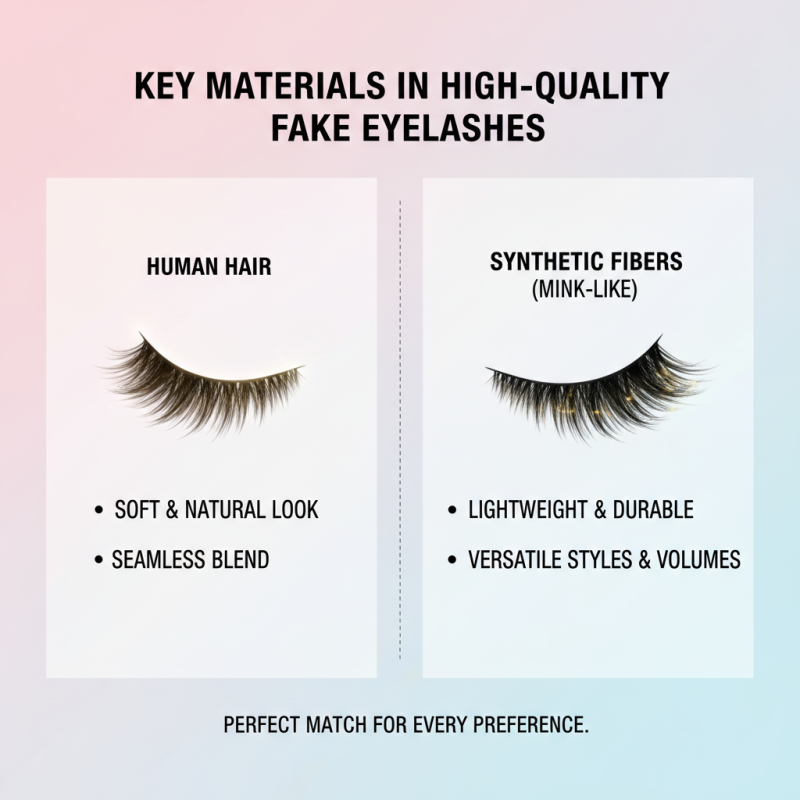
When considering the key materials in high-quality fake eyelashes, several options stand out. Human hair is known for its softness and natural appearance. The texture closely resembles real lashes, giving a seamless look. Synthetic fibers, like mink-like fibers, are lightweight yet durable. They can be styled easily and come in various lengths and volumes. These materials cater to diverse preferences, allowing users to find the perfect match.
Silk lashes are another popular choice. They offer a luxurious feel and natural sheen. These lashes often have a moderate weight, making them comfortable for prolonged wear. Many buyers appreciate the addition of biodegradable ingredients as well. Eco-friendly materials are becoming increasingly significant in the beauty industry. They appeal to environmentally conscious consumers and provide the quality they seek.
However, the quest for the best materials often leads to trade-offs. Not all synthetic options provide the same comfort as natural hair. Some users find that synthetic lashes can irritate their eyes. It’s crucial for buyers to test different styles and materials before making a choice. This trial-and-error process may reveal unexpected preferences and needs. A thoughtful approach in selecting lashes can greatly enhance the final look.
Market Analysis: Demand for Fake Eyelashes Among Global Consumers
The demand for fake eyelashes is experiencing remarkable growth among global consumers.
According to a recent market analysis, the eyelash extension market is projected to reach USD 1.7 billion by 2026.
This surge is driven by several factors, including the rise of social media and beauty influencers who regularly showcase their beauty routines.
Consumers are increasingly looking for quality and versatility in their lash products.
As more individuals seek ways to enhance their appearance, the appeal of fake eyelashes continues to grow.
However, the industry faces challenges. Not all products meet safety or quality standards, leading to potential consumer mistrust.
Data indicates that 30% of users reported experiencing allergic reactions to low-quality lashes.
This underlines the importance of reliable product sourcing and consumer education.
Moreover, the market is shifting towards sustainability. Reports show a rising interest in vegan and cruelty-free eyelash products.
This trend reflects a growing consumer consciousness about ethical beauty standards.
As buyers become more informed, brands need to adapt quickly.
Firms that prioritize quality, safety, and ethical practices are likely to thrive in this evolving market landscape.
Top Brands Leading the Fake Eyelash Industry in 2026
The global fake eyelash industry is evolving rapidly. As of 2026, several top brands dominate the market, focusing on quality and innovation. According to recent industry reports, the market is projected to reach $1.5 billion by 2026, growing at a rate of 7% annually. This growth is driven by increasing demand for high-quality products.
Leading brands are investing heavily in research and development. They aim to meet consumer needs for comfort, sustainability, and style. Notably, many product lines now feature cruelty-free and vegan options. This shift reflects a broader trend toward ethical consumerism. Brands that prioritize sustainability may find a loyal customer base eager for responsible choices.
Tips: Always check reviews and ratings before purchasing. Many buyers value authenticity; consider verifying if a product is genuinely cruelty-free. Investing in a quality pair can save money in the long run. Short-term options may disappoint and create waste. Reflect on your choices; the importance of quality cannot be overstated in this growing industry.
Top Quality Fake Eyelashes for Global Buyers in 2026
| Product Type |
Material |
Price Range (USD) |
Market Share (%) |
Average Customer Rating |
| Mink Lashes |
Mink Fur |
$25 - $40 |
45% |
4.8/5 |
| Silk Lashes |
Silk Fibers |
$20 - $35 |
30% |
4.6/5 |
| Synthetic Lashes |
Polyester |
$10 - $20 |
15% |
4.2/5 |
| 3D Lashes |
Mink/Silk |
$30 - $50 |
10% |
4.7/5 |
| Magnetic Lashes |
Synthetic |
$15 - $30 |
5% |
4.5/5 |
Consumer Preferences: Features of Ideal Fake Eyelashes
As consumers become more discerning, the demand for high-quality fake eyelashes is rapidly increasing. A recent report by Statista revealed that the global eyelash market is projected to reach $1.5 billion by 2026. This growth reflects a shift in consumer preferences towards durability, comfort, and a natural appearance. Today, buyers prefer lashes that not only enhance their eyes but also feel comfortable throughout the day.
When evaluating ideal fake eyelashes, weight and flexibility are key features. Many users express frustration with overly heavy or rigid lashes. An ideal lash should feel lightweight and flexible enough to blend seamlessly with natural lashes. Reports show that 75% of consumers prioritize softness as a critical feature. Additionally, a variety of styles and lengths allows for personalization, which many users appreciate. Ease of application is another critical aspect. Complex adhesives can deter buyers, emphasizing the need for user-friendly solutions.
Despite advancements, challenges remain in achieving perfect quality. Some lashes may have inconsistent lengths or materials that irritate the eyes. The industry must address these issues to enhance consumer trust. Research suggests that imperfections can lead to a decrease in repeat purchases; thus, continuous focus on quality control is essential. Meeting consumer expectations will differentiate successful brands in a competitive market.
Consumer Preferences for Ideal Fake Eyelashes in 2026