Eyelash glue is a crucial component for achieving stunning lashes. According to industry expert Dr. Lisa Wong, "The right eyelash glue can transform a makeup look entirely." This highlights the significance of selecting the appropriate product.
Eyelash glue ensures that false lashes stay securely in place throughout the day. A good formula will resist humidity and keep lashes looking fabulous. However, not all eyelash glues are created equal. Some can irritate sensitive eyes, leading to discomfort or even allergic reactions.
Choosing the wrong eyelash glue can lead to a less-than-perfect appearance. It’s essential to consider factors like drying time and bonding strength. A well-chosen eyelash glue can elevate your beauty routine significantly, but it's also a source of frustration if it fails to perform. Ultimately, understanding the nuances of eyelash glue is vital for flawless lashes.
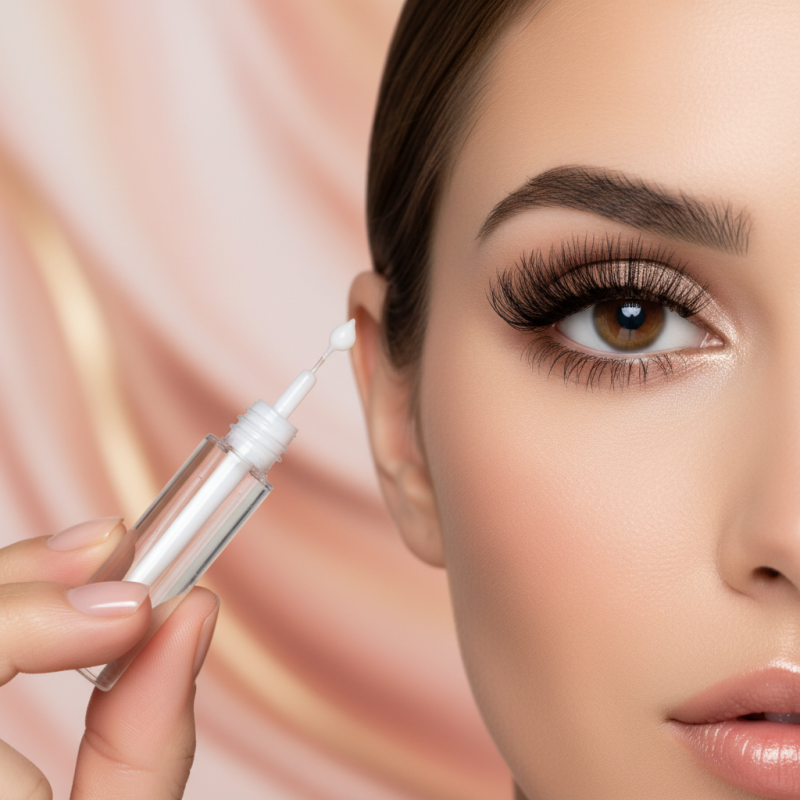
Eyelash glue plays a crucial role in achieving flawless lashes. It acts as the adhesive that bonds extensions to your natural lashes. The right glue ensures that your lashes last longer, withstanding daily activities. Without it, even the most beautiful extensions can look disheveled. The importance of a strong bond cannot be overstated.
Choosing the correct eyelash glue is not always easy. Many factors come into play, such as the glue's drying time and flexibility. A strong glue may initially feel uncomfortable. It could lead to irritation or allergic reactions. Regular testing is essential, as individual responses to different glues vary. Finding the perfect match requires patience and experimentation.
Application technique also affects the results. If glue is applied too generously, it can clump, resulting in a heavy, unnatural look. A poorly executed application can make even high-quality glue fail. Understanding the need for precision and learning from mistakes becomes vital. Overall, eyelash glue is more than just a tool; it’s the backbone of stunning lash extensions and a refined makeup look.
Eyelash glue serves as the backbone of stunning lashes. Different types offer unique benefits. Knowing what’s inside can enhance your lash experience.
Most eyelash glues contain cyanoacrylate. This strong adhesive keeps lashes in place. However, some might experience irritation. Always test a small area before full application. Not everyone reacts the same way.
Another common ingredient is latex. It offers flexibility and a secure hold. Yet, latex can cause allergic reactions for some. Opt for latex-free options if sensitivity is a concern. Additionally, many formulas include nourishing components. These ingredients help condition natural lashes. This is essential for ensuring that your natural lashes are not damaged over time. While a great hold is desired, comfort should not be overlooked.
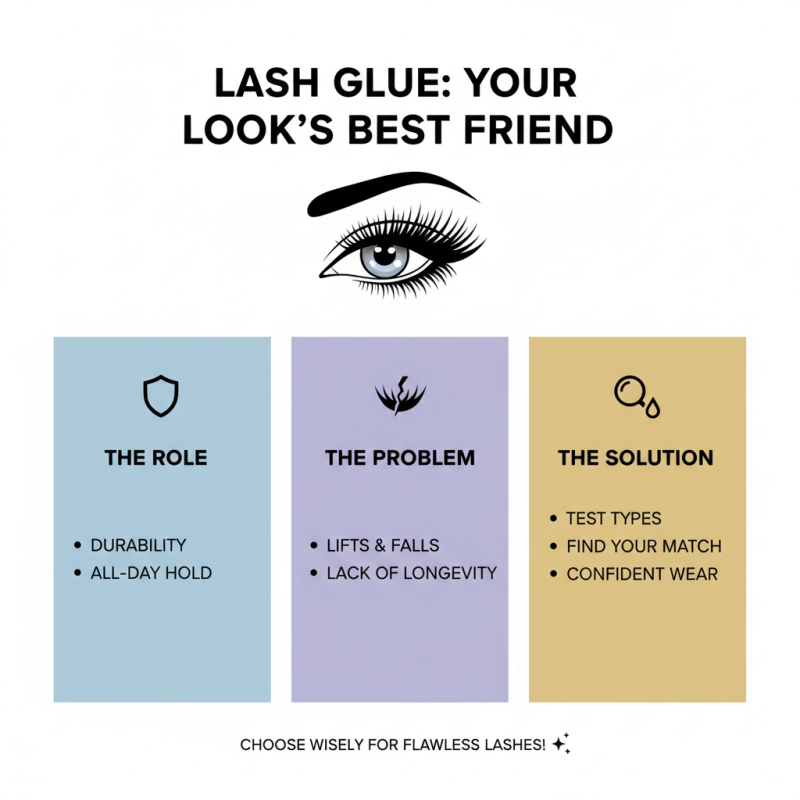
When it comes to applying false lashes, eyelash glue plays a crucial role. The right glue can make or break a look. A well-chosen adhesive provides durability, ensuring the lashes stay in place throughout the day. However, not every glue is created equal. Some may lack longevity, causing lashes to lift or fall off. It’s important to test different types to find the one that suits your needs.
Application techniques significantly impact how long the lashes last. For best results, allow the glue to become tacky before attaching lashes. Too much glue causes clumping. Too little means they won't adhere properly. A steady hand is key. Sometimes, small mistakes, like gluing too close to the natural lashes, can lead to discomfort.
Maintenance is also essential. Moisturizers and oils can weaken the bond. If not careful, your beautiful lashes can become a source of frustration. Watching tutorials is helpful, but practice makes perfect. Reflecting on past attempts can guide future applications. Embracing the learning curve will lead to improved skills and beautiful lashes over time.
Eyelash glue is crucial for securing lashes in place. However, safety should always be a priority. Many people have sensitivities to certain ingredients in eyelash adhesives. This can lead to allergic reactions, implying redness, itching, and swelling around the eyes. These reactions can spoil the entire look and cause discomfort.
Best practices are essential when using eyelash glue. Always perform a patch test before full application. Apply a small amount of glue on your wrist to check for reactions. Wait 24 hours to see how your skin responds. Ensure your lashes and natural lashes are clean. This helps the glue adhere better and minimizes irritation.
Using excessive glue is another common mistake. Too much can lead to clumping and weight on your lashes. Aim for a thin, even layer to avoid this. Additionally, be sure to remove lashes gently. Pulling too hard can damage your natural lashes. Always have a plan for removing the glue safely.
The eyelash extension industry is growing rapidly. According to a recent report, it's projected to reach $1.6 billion by 2025. This surge emphasizes the importance of safety standards for eyelash adhesives. Regulatory guidelines ensure that clients are protected from harmful chemicals.
Many eyelash glues contain formaldehyde, a substance that can cause allergic reactions. Reports indicate that around 2% of users experience these adverse effects. Proper labeling and ingredient transparency are essential for consumer safety. Technicians must be educated on potential allergic reactions and sensitivities.
However, not all products comply with safety regulations. Some adhesives may lack necessary certifications. This raises questions about their long-term impact. Consumers should be cautious when choosing adhesives and insist on products that meet industry standards. Regular testing and adherence to guidelines are crucial in maintaining safety for everyone involved.