2026 Best Lash Tray for Global Buyers Seeking Quality?
In the competitive world of lash extensions, quality is paramount. Industry expert Dr. Emma Thompson, known for her extensive research on lash products, asserts, “The right Lash Tray can define the success of your business.” As global buyers seek the best options for their clientele, selecting a high-quality Lash Tray becomes crucial.
These trays are more than just a product; they embody precision, reliability, and artistry in every lash application. A great Lash Tray ensures that each extension adheres seamlessly, allowing lash technicians to create stunning looks. However, not every tray meets the standard. Some options fall short, leading to complications or dissatisfaction among clients.
When choosing a Lash Tray, buyers should consider various factors. Pay attention to the materials used and the presentation of the lashes. Quality doesn't always correlate with cost, and brands can vary significantly. In an industry where detail matters, having dependable products is essential for sustaining a reputable brand image.
2026 Trends in Lash Tray Design and Functionality
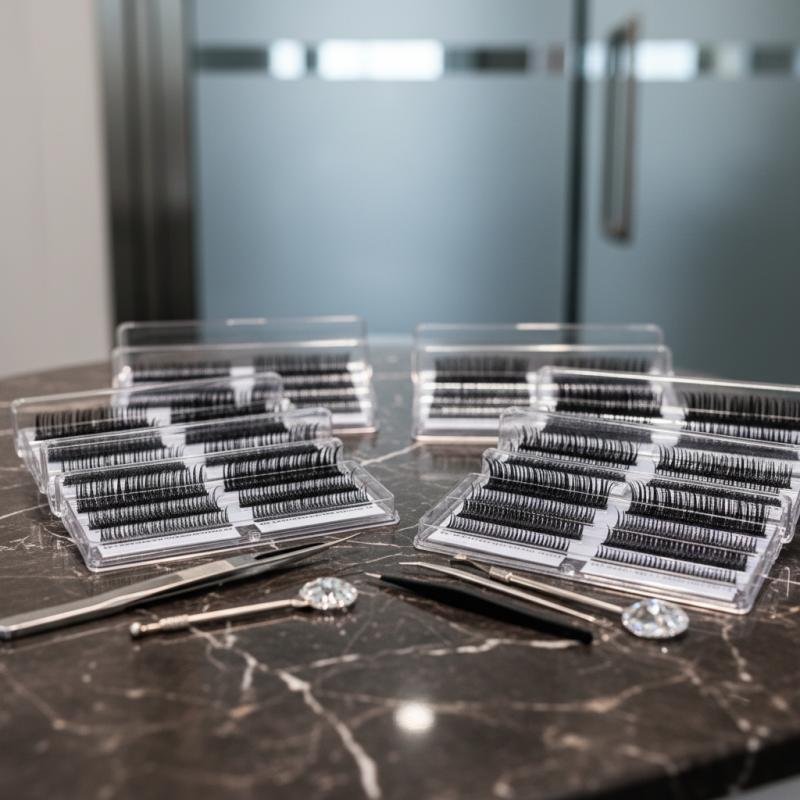
In 2026, lash tray design is evolving to meet the needs of diverse users. The focus is on creating durable, functional products that enhance both the application process and user experience. Modern designs now include features like customizable compartments. These allow for better organization of lashes, which can streamline the application for lash technicians.
Sustainability has become a critical aspect of lash tray design. Manufacturers are exploring eco-friendly materials that reduce environmental impact. However, the challenge remains in balancing sustainability with product longevity. Users often face the dilemma of choosing between eco-conscious options and those that offer superior durability. Emphasizing versatility, some trays now accommodate multiple lash styles, providing flexibility for users.
There is also an increasing demand for designs that cater to aesthetic preferences. Colorful, visually appealing trays can elevate the overall experience. Yet, it’s essential to consider how these designs affect functionality. Overly intricate aesthetics might distract or complicate the application process. Designers must reflect on how to merge beauty with practicality. This balance is vital for meeting the evolving expectations of global buyers.
2026 Trends in Lash Tray Design and Functionality
Key Quality Metrics for Lash Tray Selection in Global Markets
When selecting lash trays for global markets, quality metrics take center stage. Buyers must consider factors like material durability and ease of use. A recent report indicates that over 70% of users cite tray durability as a top priority. High-quality trays should resist bending and warping, ensuring consistent application results.
Another critical aspect is precision. Trays must be designed for flawless lash alignment. Studies show that incorrect spacing can lead to poor application outcomes, impacting client satisfaction. In fact, nearly 50% of technicians reported that imprecise trays negatively affected their workflow.
Color variability is also an issue. Surprisingly, many brands do not maintain standardized hues across batches. This inconsistency can be frustrating for global buyers. Selecting trays with proven color integrity can alleviate this stress. Not all suppliers provide such guarantees, which makes careful evaluation essential. Seeking certifications and third-party testing can help ensure quality, but these are not always readily available.
2026 Best Lash Tray for Global Buyers Seeking Quality
| Lash Tray Type |
Material Quality |
Adhesion Strength |
Durability |
Price Range |
Country of Origin |
| Classic Lash Tray |
High-grade Plastic |
Strong |
3-5 Years |
$20 - $30 |
China |
| Volume Lash Tray |
Medical-grade Plastic |
Very Strong |
4-6 Years |
$25 - $35 |
South Korea |
| Mink Lash Tray |
Synthetic Fiber |
Moderate |
1-3 Years |
$15 - $25 |
USA |
| Silk Lash Tray |
High-quality Silk |
Strong |
2-4 Years |
$20 - $30 |
Japan |
| 3D Lash Tray |
Premium Synthetic |
Very Strong |
3-5 Years |
$30 - $40 |
China |
Comparison of Materials Used in Lash Trays: Pros and Cons
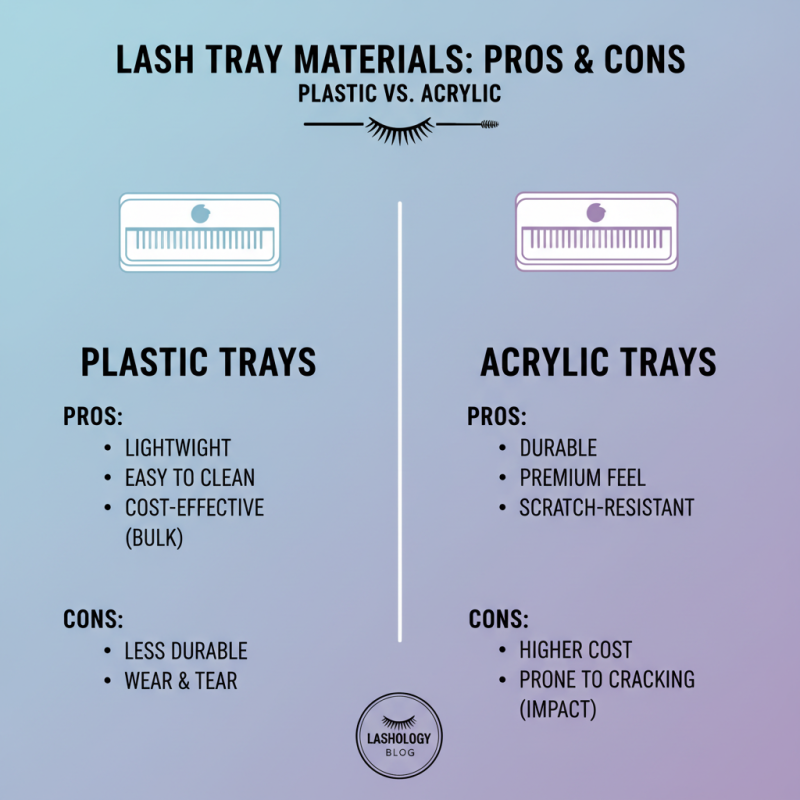
When choosing the best lash tray, it's essential to understand the materials. Different materials offer unique advantages and disadvantages. For instance, plastic trays are lightweight and easy to clean. They are also cost-effective for bulk purchases. However, plastic may lack durability over time. Frequent use may lead to wear and tear, which can affect performance.
On the other hand, metal lash trays are known for their sturdiness. They resist bending and last longer than their plastic counterparts. Metal trays often maintain shape and can withstand heat. Yet, they can be heavier and require more careful handling. Some may find them challenging to clean thoroughly, which could lead to hygiene concerns.
Additionally, silicone options provide a flexible, durable choice. They often have a non-slip feature, making application easier. However, silicone can sometimes be more expensive upfront. The decision should weigh personal preference and the specific requirements of the job. Still, keep in mind that every material choice has its trade-offs. Understanding these pros and cons is vital for making an informed decision.
Top Manufacturers of Lash Trays: Market Share and Consumer Reviews
The lash tray market is witnessing significant growth. Industry reports indicate that the demand for high-quality lash trays has increased by 25% over the past year. Many manufacturers are focusing on materials that enhance durability and usability. This shift is crucial, as lash technicians seek products that improve their efficiency and client satisfaction.
Consumer reviews play a vital role in determining market share. A recent survey revealed that 70% of lash artists prioritize product quality over price. They often share their experiences and recommendations on social media platforms. Such transparency helps new buyers navigate the market.
Additionally, some manufacturers are criticized for inconsistent quality control. This inconsistency can lead to dissatisfaction among users. Examining reviews reveals that not all suppliers maintain high standards. Thus, buyers must diligently research to avoid poor choices. Quality assurance must be a top priority for manufacturers aiming to establish credibility in this competitive landscape.
Consumer Preferences in Lash Tray Features: Data-Driven Insights
In the pursuit of quality lash trays, buyers exhibit distinct preferences. Key features often include material, design, and functionality. Many customers favor trays made from durable materials that ensure longevity and efficiency. Lightweight designs also catch attention, as they make the application process seamless.
Tips: Always check for easy-to-clean surfaces. This can save time and maintain hygiene. Buyers appreciate trays that allow for simple organization of lashes. Consider options that offer clear labeling. These features enhance user experience significantly.
Data-driven insights show varying preferences in size and compartmentalization. While some prefer larger trays for flexibility, others choose compact options for convenience. The choice largely depends on personal application styles. Reflecting on these preferences can lead to better purchasing decisions, ensuring you find the right tray that aligns with your needs.