2026 Best Full Lash Extension Suppliers for Global Buyers?
Choosing reliable Full Lash Extension suppliers in 2026 requires more than comparing catalog prices. Global buyers need consistent curl, comfortable fibers, secure packaging, and dependable delivery. A polished product photo cannot confirm adhesive compatibility or tray accuracy. Real evaluation begins with samples, technical documents, factory communication, and documented quality procedures.
This guide examines suppliers through a practical buyer’s lens. It considers material sourcing, lash thickness, curl options, private labeling, production capacity, and export experience. It also reviews how suppliers manage batch inspections, moisture protection, labeling, and replacement policies. These details matter when a small variation affects an entire salon order. Experienced buyers should request samples from different production batches, not only one attractive trial box. That comparison can reveal uneven lengths, loose strips, or inconsistent curvature.
Compliance still requires careful attention. Import rules, cosmetic product requirements, packaging standards, and adhesive regulations may differ by destination. Buyers should verify current requirements with qualified local professionals. Supplier claims are useful, but independent confirmation is stronger. Certifications may also vary in scope and validity.
No supplier is perfect. That matters.
Some factories communicate quickly but provide limited technical evidence. Others offer excellent customization yet require longer lead times. A fair comparison must include total cost, service reliability, minimum order quantities, and possible delays. This article presents a balanced starting point for global buyers seeking capable Full Lash Extension partners, while recognizing that final decisions should follow sample testing, contract review, and market-specific due diligence.
Defining Full Lash Extensions and Global Supplier Requirements
Full lash extensions are individual fibers applied to suitable natural lashes, one by one. They differ from strip lashes and pre-made clusters. A “full set” usually means broad, balanced coverage, not attachment to every natural lash. Length, curl, diameter, and weight must match the client’s natural lash strength.
Market data shows why supplier discipline matters.
Fortune Business Insights valued the global false eyelashes market at USD 1.62 billion in 2023 and projected continued growth through 2032. Grand View Research also identifies product quality, comfort, and professional application as major market factors. These figures do not prove every extension supplier is reliable. They only show rising demand.
Global buyers should request written specifications, batch numbers, fiber composition, curl retention data, and sample trays. Each tray should show consistent lengths, clean bases, and secure packaging. Adhesive suppliers should provide ingredient declarations, safety data, shelf-life testing, and storage instructions. ISO 22716-aligned production controls can strengthen traceability and hygiene management. Quality records matter.
Small errors compound.
A 0.05-millimeter variation can change lash weight and styling results. Buyers should test several batches under real salon conditions, including humidity and transport stress. I would not approve a supplier from photographs alone. A polished catalogue can hide uneven fibers, weak labeling, or delayed documentation. Independent inspection remains useful, although it increases purchasing time.
Comparing Lash Extension Materials, Styles, and Product Quality
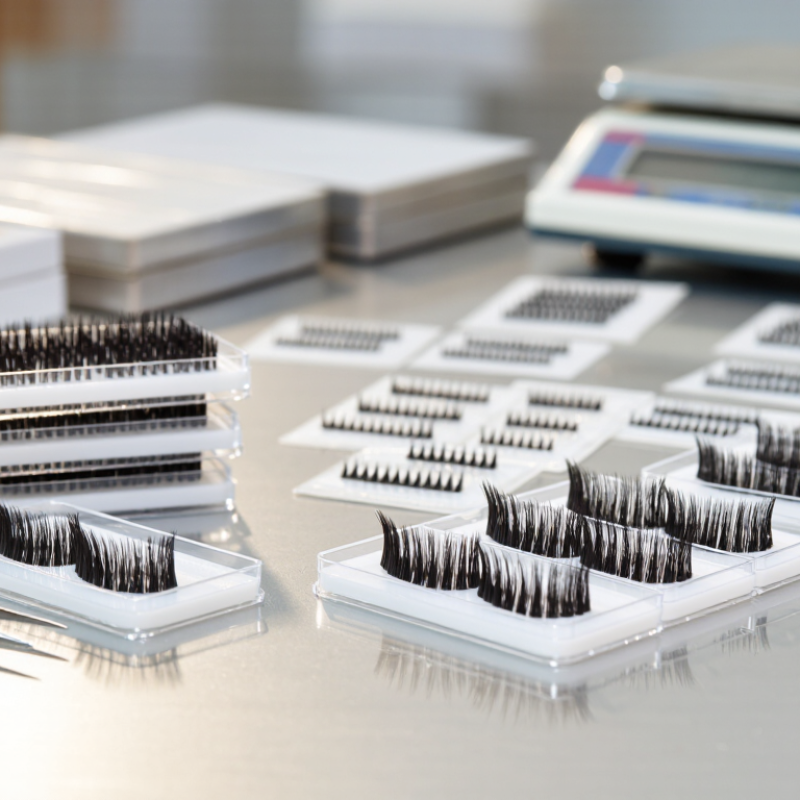
For global buyers in 2026, supplier comparison should begin with fiber composition, not attractive photos. PBT synthetic fibers usually offer stable curl, consistent diameter, and better shape retention. Silk-style and mink-style labels often describe appearance, not animal origin or technical performance. Check whether trays show thickness, length, curl, and batch information. A reliable supplier should provide samples before large orders. I compare ten fibers from one carton, measuring length variation and checking tips under magnification. Small defects become visible during volume application. That test is simple, but buyers sometimes skip it.
Styles should match local technicians and customer preferences. Classic, hybrid, volume, colored, flat, and pre-fanned options need different handling. Uniform bases support faster isolation, while flexible fibers can reduce pulling during placement. Quality also depends on adhesive compatibility, packaging seals, and storage guidance. Ask for production dates, material declarations, safety documents, and batch traceability. Do not rely on a single “premium” claim. Independent inspection can verify weight, dimensions, labeling, and carton counts before shipment. My own mistake was judging softness first; retention performance mattered more after two weeks.
Tips: Request three sample lots, not one. Compare curl recovery after gentle bending. Inspect adhesive bonds under normal salon lighting. Record humidity during testing, because results can change. Confirm labeling and import rules in each destination market. Keep a written scoring sheet, even if the cheapest sample looks impressive.
Checking Pricing, Minimum Orders, Logistics, and Buyer Support
For global buyers, selecting a full lash extension supplier requires more than comparing catalogue prices. Grand View Research estimated the global false eyelashes market at approximately US$1.6 billion in 2023. This growth attracts new factories, but low quotations can hide inconsistent curl, thin bands, or weak packaging. During supplier checks, request prices for several lengths and curls, not one sample only. Compare product cost, sampling fees, packaging, inspection, and delivery charges.
Minimum order quantities deserve equal attention. A supplier offering 500 pairs may appear attractive, yet mixed styles can raise the real MOQ. Ask whether colours, lengths, and private packaging count separately. For a small test order, negotiate a manageable quantity with a clear reordering threshold. I have seen buyers save a few cents per pair, then lose money through excess inventory. That calculation is easy to underestimate.
Logistics should be measured by landed cost and delivery reliability. The World Bank’s Logistics Performance Index 2023 shows substantial differences in customs efficiency and shipment tracking across markets. Request carton dimensions, gross weight, export documents, transport options, and realistic transit ranges. Air freight may suit urgent samples, while consolidated sea freight can reduce larger-order costs. Buyer support matters after payment. Confirm response times, defect handling, replacement rules, and photo-based inspection procedures. Get it in writing. Support promises can sound excellent before production, but become vague when a shipment arrives late or lashes differ from the approved sample.
2026 Best Full Lash Extension Suppliers for Global Buyers
Benchmark comparison of common supplier segments by wholesale pricing, minimum order quantity, production lead time, and buyer support coverage.
Factory-direct suppliers generally offer lower unit prices but require larger orders and longer production lead times. Distributors usually provide smaller minimum orders and faster delivery, while specialty wholesalers offer a middle ground for international buyers.
Selecting the Best Supplier Through Samples and Due Diligence
2026 Best Full Lash Extension Suppliers for Global Buyers?
Selecting the Best Supplier Through Samples and Due Diligence
A sample kit reveals more than a polished catalog. Request several lash lengths, curls, thicknesses, and tray formats. Inspect the band under bright light. It should sit evenly without loose fibers or inconsistent spacing. Check whether the curls remain stable after gentle handling and normal storage. Details matter.
Test application with your usual tools and approved materials. Record pickup speed, fan shape, shedding, and retention observations. A small spreadsheet helps compare suppliers fairly. Ask for batch numbers, material specifications, quality-control procedures, and production lead times. Reliable suppliers answer clearly and provide dated documents instead of vague promises. Their sample should match the later production order.
Due diligence should include a video factory tour, verified business information, export experience, and references from comparable buyers. Confirm packaging details, labeling support, inspection options, payment terms, and procedures for defective goods. Ask how they control humidity, dust, and worker handling during production. These details affect consistency. Records matter.
I once treated a low sample price as a strong advantage. The final quote looked attractive, but the supplier avoided discussing replacement terms. That was my mistake. A higher unit cost may be reasonable when inspection, traceability, and communication are stronger. Still, documents can be incomplete, and samples cannot prove every future batch. Keep testing before committing to large volumes.