
Glitter Eyelash Extensions can transform a simple lash set into a sparkling, camera-ready design. Yet sourcing them requires more than choosing the brightest finish.
The material must remain lightweight, stable, and suitable for professional eye-area use. Glitter should adhere securely to the lash surface, not flake into the eyes during wear. Lash educator and Sugarlash PRO founder Courtney Buhler is often associated with this guiding principle: “Your client’s natural lashes always come first.” That principle belongs at the center of every purchasing decision.
This guide, “10 Tips for Sourcing Glitter Eyelash Extensions,” examines the details buyers sometimes overlook. It covers fiber quality, curl consistency, glitter adhesion, thickness, length options, packaging, and supplier transparency. It also considers ingredient information, safety documentation, sample testing, and clear client-use instructions. Regulations differ between regions. Responsible suppliers should provide accurate product details and avoid unsupported safety claims.
Small details matter.
A reliable sample should arrive with clean trays, readable labels, and evenly distributed glitter. The lashes should not feel rough, shed visibly, or lose their shape after gentle handling. Supplier communication matters too. Slow replies, vague material descriptions, or missing documentation deserve careful reflection.
No sourcing process is perfect. Even experienced professionals can focus too heavily on appearance and miss practical performance. A beautiful shimmer means little if application becomes difficult or client comfort declines. These ten tips offer a careful starting point for comparing suppliers, testing products, and building a glitter lash collection based on quality rather than impulse.
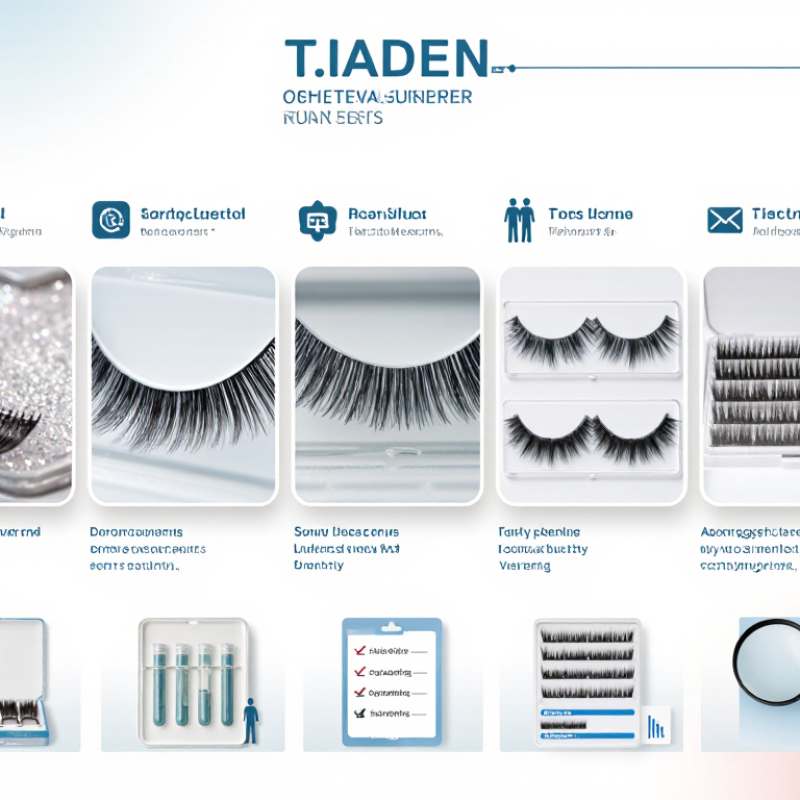
Glitter eyelash extensions add controlled sparkle to bridal looks, festivals, photoshoots, and evening events. Their application depends on the glitter design, lash weight, curl, and attachment method. Cosmetic-grade glitter should remain securely bonded and stay away from the waterline. Loose particles can irritate the eyes. This detail is easy to overlook.
When sourcing, ask for material specifications, adhesive compatibility, colorfastness, and batch consistency. A professional supplier should provide clear product information and reasonable safety documentation. I also check lash softness by lightly brushing a sample across clean skin. If it feels sharp, I reject it. Client comfort matters more than dramatic shine.
Tip: Request samples before placing a large order. Compare glitter density under bright and soft lighting. Test retention with the intended adhesive and application technique. Keep records of supplier responses, batch numbers, and client feedback. A small trial can reveal uneven glitter, weak bonding, or excessive weight. I once focused too much on sparkle and missed a stiff lash band. That mistake changed my sourcing checklist. Always confirm local cosmetic requirements and follow trained application practices. Avoid products with unclear ingredients or unstable packaging. Resistant glitter may look attractive, but difficult removal can create unnecessary stress for the natural lashes.
Set safety requirements before comparing sparkle or price. Ask suppliers for full material disclosure, safety data sheets, and batch traceability. Glitter must be securely embedded, not loose near the eye. Check lash fibers for smooth edges, stable curls, and consistent length. Request independent testing for irritation, shedding, and adhesive compatibility. A patch test matters, even when paperwork looks complete. Keep storage instructions clear: sealed packaging, dry shelves, and controlled heat. Attractive samples can hide weak documentation.
Define quality with measurable details. Set a tolerance for length, diameter, curl, color, and glitter distribution. Compare several samples under bright and natural light. Pull-test the band gently; it should remain intact without sharp fragments. Review production controls, inspection records, and replacement procedures. Ask how rejected units are separated from approved stock. A low price is not quality evidence. Neither is a polished catalog. Leave room for doubt.
Specify eye-safe sparkle density, base color, curl direction, and usable tray layout. Offer lightweight options for different eye shapes and styling preferences. Confirm that glitter remains balanced after trimming or fan-making. Request a pre-production sample and test it with trained professionals. Record feedback on comfort, pickup, placement, and wear. My checklist could still miss something, so revise it after every sample round. Clear records make supplier decisions more defensible.
Reliable sourcing starts with evidence, not attractive product photos. Request samples in several glitter colors and inspect the lash band, curl, softness, and shedding. Rub the glitter surface gently. Loose particles are a warning sign.
Ask how the glitter is fixed and whether materials are suitable for eye-area use. Request ingredient information, safety documents, batch records, and clear labeling details. Verify that the supplier follows applicable cosmetic and workplace standards. These documents should match the actual sample. They often do not. Check production capacity, minimum order quantities, lead times, and replacement policies before negotiating. A low price can hide weak quality control.
Test samples after storage in heat and humidity. Record changes in color, shape, adhesion, and packaging condition. Ask for a small trial order before committing to large volumes. Review the supplier’s communication speed and technical answers. Vague replies deserve caution. Visit the facility when practical, or request a live video inspection of production and packing areas. Confirm traceability through batch numbers and shipping records. Check whether cartons protect delicate lashes during transport. Keep written specifications, approved samples, and inspection photos. My own screening process became stricter after one attractive sample arrived with uneven glitter placement. It looked fine online. It failed under salon lighting. Reliable suppliers accept reasonable questions, document revisions, and discuss defects without becoming defensive. Pricing matters, but consistency protects customer trust.
Demand is rising, but glitter lashes still require careful comparison. Circana reported that U.S. prestige beauty sales grew 8% in 2023, reaching $31.7 billion. That growth does not guarantee reliable lash quality.
Start with the fiber. Synthetic PBT usually offers consistent curls, lower odor, and better batch stability. Silk-style fibers can look softer, but descriptions vary between suppliers. Ask for samples with matching thickness, curl, glitter density, and band flexibility.
Compare curls such as C, CC, and D under salon lighting. A dramatic style may photograph well, yet feel heavy during a full appointment. That detail is easy to miss.
Price comparisons need more than a unit quote. Record fiber weight, tray count, packaging, printing, and sample fees. The cheapest tray may hide higher freight costs. Request a clear MOQ, production time, payment schedule, and defect-replacement window. Confirm whether prices include shipping, duties, or only factory collection.
The International Trade Centre emphasizes transparent trade-cost analysis because small logistics charges can materially affect margins.
Keep written specifications. Verbal promises fade quickly. One practical weakness remains: suppliers may change glitter placement between batches. Approve a production sample, then inspect random trays before resale.
For glitter eyelash extensions, sample evaluation should go beyond sparkle. Check curl consistency, fiber softness, band flexibility, shedding, and glitter adhesion under bright light. My first sample review focused too much on appearance. That was a mistake. Wear-test several trays after opening them repeatedly. Confirm that glitter does not flake into the eye area or weaken the lash band. Test them slowly.
Request material specifications, safety data sheets, batch details, and relevant laboratory reports. ISO 22716 indicates cosmetic good manufacturing practices, but it does not automatically prove product safety. Ask whether testing covers restricted substances and market-specific requirements, including REACH-related obligations in Europe. McKinsey’s 2023 beauty-market analysis projects the global beauty industry could approach 580 billion dollars by 2027. That growth increases supplier competition, but paperwork still matters more than attractive claims. Keep records.
Packaging should protect delicate fibers from crushing, humidity, and contamination. Inspect the inner tray, seal, label, and carton after simulated handling. Clear product names and batch codes also support traceability. Do not accept packaging that looks premium but opens easily. Delivery performance deserves equal attention. DHL’s 2024 E-Commerce Trends Report found that 81% of shoppers may abandon a purchase when their preferred delivery option is unavailable. Request a written lead time, shipping method, inspection window, and replacement policy. Ask for photos before dispatch. Glitter can hide defects in images. Physical inspection remains necessary.
